
SPOILER ALERT!
A Comprehensive Overview Of Water Damages Repair: Recovering Your Home Post-Flood
Article Writer-McCormack Hovgaard
When a flooding strikes your home, the after-effects can be frustrating. From evaluating the level of the water damages to carrying out proper drying out techniques, the procedure can appear overwhelming. Nevertheless, understanding the critical steps associated with water damages repair is necessary for restoring your home to its former state. By following a methodical strategy and using effective restoration techniques, you can navigate with the obstacles and make sure an effective recuperation.
When managing water damages, the very first crucial action is evaluating the level of the damages. Take a complete look at all influenced areas to establish the extent of the scenario. Look for noticeable water, moisture, and any type of signs of mold or mildew development.
It's vital to recognize the resource of the water breach to avoid more damage. Whether it's from a ruptured pipeline, flooding, or a dripping roof covering, understanding where the water is coming from is essential to addressing the concern effectively.
File the damage by taking photos or videos to offer proof for insurance cases. Make a breakdown of all impacted things and areas to make sure nothing is ignored throughout the reconstruction process.
just click the following article on safety by turning off electrical power to stay clear of potential hazards and using protective gear when handling infected water.
To effectively mitigate water damages, the following important step after assessing the degree of the situation is launching the drying and evaporating process. This step is vital in preventing mold and mildew growth and more structural damage.
Beginning by opening windows and making use of fans to boost air flow. Get rid of any type of wet carpetings, furnishings, and various other items that can nurture dampness. Make use of dehumidifiers to minimize the moisture levels in the affected areas. Check hidden spaces like wall cavities and under flooring for entraped wetness, utilizing specialized tools if required.
Continue the drying out procedure until moisture degrees are back to normal. Monitor the progression on a regular basis by using dampness meters to ensure that all areas are correctly dried. Rate is key in this process to prevent additional damage.
Keep in mind to wear protective equipment like handwear covers and masks, especially if the water damage includes contaminated water. By extensively drying and dehumidifying the affected locations, you're taking critical actions in the direction of recovering your home after a flood.
Starting the repair service and remediation phase is necessary to completely recover from water damages. As soon as the affected locations are extensively dried and evaporated, it's time to focus on repairing and restoring your home.
First, analyze the extent of the damage to determine the necessary repair work. https://articlescad.com/specialist-tips-for-picking-the-right-water-damage-reconstruction-firm-471617.html might consist of changing harmed drywall, insulation, floor covering, or other materials. Address any architectural issues to ensure the safety and security and security of your home.
Next off, disinfect and disinfect the area to prevent mold and mildew and germs development. Usage appropriate cleansing remedies and methods to remove any type of remaining impurities. It's vital to act quickly to prevent more damages and carcinogen.
After cleaning, start the restoration process by bring back the damaged areas to their pre-damaged condition. This might entail painting wall surfaces, replacing floor covering, or repairing furniture. Consider consulting specialists for complex repair services or if you're unsure about the very best course of action.
Final thought
You have actually successfully recovered your home after a flood by assessing the damage, drying out and dehumidifying the impacted locations, and fixing and recovering any damaged products. By complying with these steps, you have actually made sure a risk-free and healthy living setting for you and your family members. Maintain keeping track of for any type of signs of mold growth and remain to preserve a completely dry and well-ventilated home to stop future water damages problems. You have actually done a great task in restoring your home!
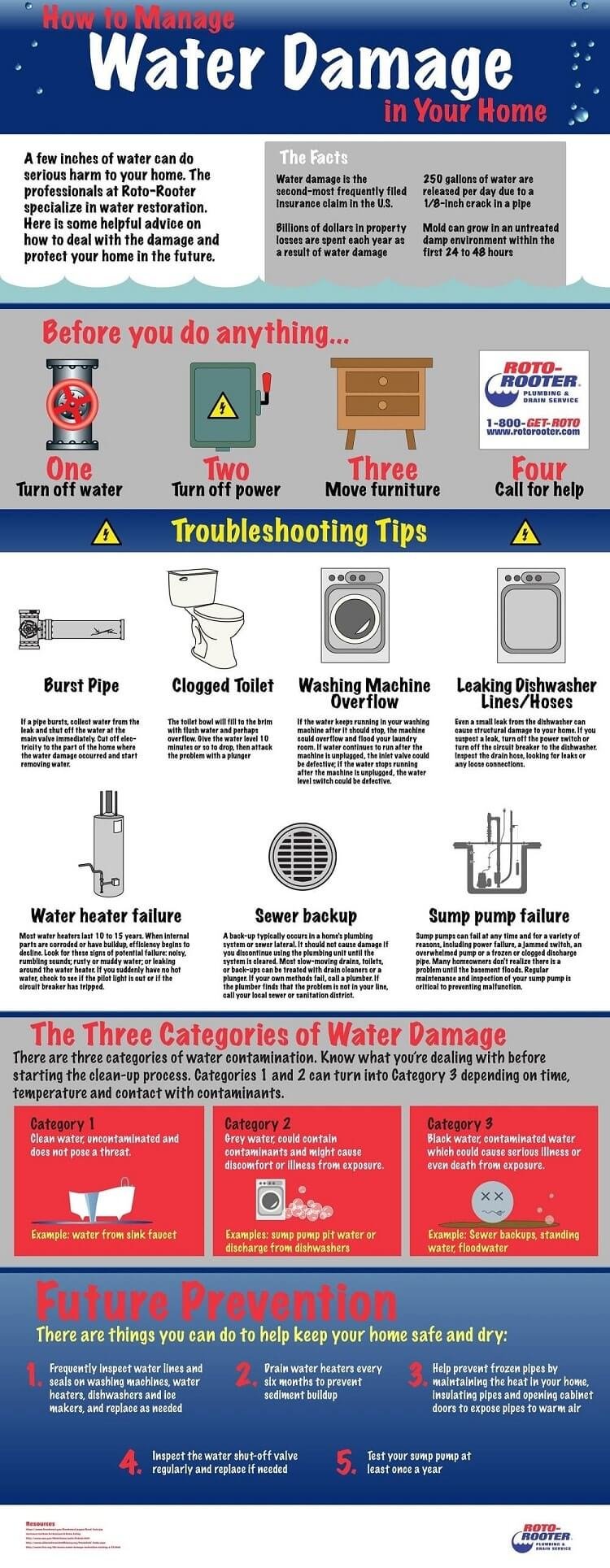
When a flooding strikes your home, the after-effects can be frustrating. From evaluating the level of the water damages to carrying out proper drying out techniques, the procedure can appear overwhelming. Nevertheless, understanding the critical steps associated with water damages repair is necessary for restoring your home to its former state. By following a methodical strategy and using effective restoration techniques, you can navigate with the obstacles and make sure an effective recuperation.
Assessing the Water Damage
When managing water damages, the very first crucial action is evaluating the level of the damages. Take a complete look at all influenced areas to establish the extent of the scenario. Look for noticeable water, moisture, and any type of signs of mold or mildew development.
It's vital to recognize the resource of the water breach to avoid more damage. Whether it's from a ruptured pipeline, flooding, or a dripping roof covering, understanding where the water is coming from is essential to addressing the concern effectively.
File the damage by taking photos or videos to offer proof for insurance cases. Make a breakdown of all impacted things and areas to make sure nothing is ignored throughout the reconstruction process.
just click the following article on safety by turning off electrical power to stay clear of potential hazards and using protective gear when handling infected water.
Drying and Dehumidifying Process
To effectively mitigate water damages, the following important step after assessing the degree of the situation is launching the drying and evaporating process. This step is vital in preventing mold and mildew growth and more structural damage.
Beginning by opening windows and making use of fans to boost air flow. Get rid of any type of wet carpetings, furnishings, and various other items that can nurture dampness. Make use of dehumidifiers to minimize the moisture levels in the affected areas. Check hidden spaces like wall cavities and under flooring for entraped wetness, utilizing specialized tools if required.
Continue the drying out procedure until moisture degrees are back to normal. Monitor the progression on a regular basis by using dampness meters to ensure that all areas are correctly dried. Rate is key in this process to prevent additional damage.
Keep in mind to wear protective equipment like handwear covers and masks, especially if the water damage includes contaminated water. By extensively drying and dehumidifying the affected locations, you're taking critical actions in the direction of recovering your home after a flood.
Repair and Repair Actions
Starting the repair service and remediation phase is necessary to completely recover from water damages. As soon as the affected locations are extensively dried and evaporated, it's time to focus on repairing and restoring your home.
First, analyze the extent of the damage to determine the necessary repair work. https://articlescad.com/specialist-tips-for-picking-the-right-water-damage-reconstruction-firm-471617.html might consist of changing harmed drywall, insulation, floor covering, or other materials. Address any architectural issues to ensure the safety and security and security of your home.
Next off, disinfect and disinfect the area to prevent mold and mildew and germs development. Usage appropriate cleansing remedies and methods to remove any type of remaining impurities. It's vital to act quickly to prevent more damages and carcinogen.
After cleaning, start the restoration process by bring back the damaged areas to their pre-damaged condition. This might entail painting wall surfaces, replacing floor covering, or repairing furniture. Consider consulting specialists for complex repair services or if you're unsure about the very best course of action.
Final thought
You have actually successfully recovered your home after a flood by assessing the damage, drying out and dehumidifying the impacted locations, and fixing and recovering any damaged products. By complying with these steps, you have actually made sure a risk-free and healthy living setting for you and your family members. Maintain keeping track of for any type of signs of mold growth and remain to preserve a completely dry and well-ventilated home to stop future water damages problems. You have actually done a great task in restoring your home!
